How to start barefoot running: a complete beginner's guide
Week-by-week transition plan for barefoot running. Start safely, build gradually, avoid the mistakes that injure most beginners.
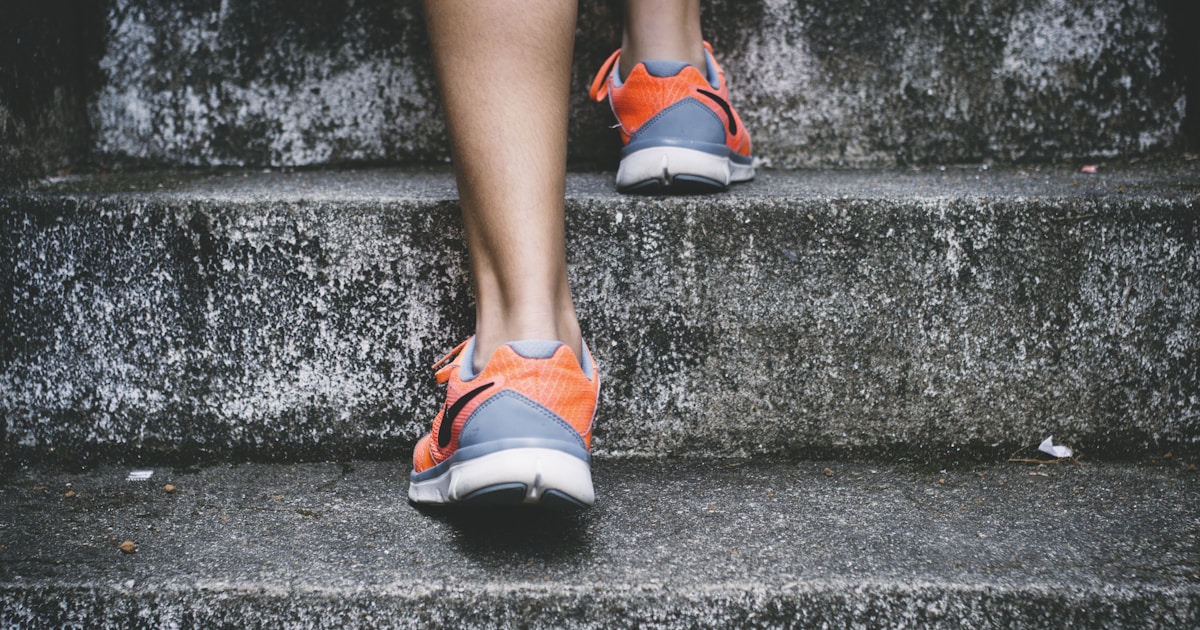
The most important thing about barefoot running is also the thing most people ignore: don't rush it. Your feet have been in shoes for decades. The muscles are weak, the skin is soft, and the neural pathways are dormant. All of that can change, but it takes time. Here's how to do it without getting hurt.
Before your first step
Start walking barefoot at home. This sounds trivial, but if you've been wearing shoes or slippers indoors your whole life, your feet haven't been doing any real work on flat surfaces. Just walking around your house barefoot for a week starts waking up those dormant muscles.
While you're at it, begin foot strengthening exercises: towel scrunches, calf raises, toe spreads. Ten minutes a day for at least two weeks before you try running. Your feet need a head start.
Check your expectations, too. You won't run your normal distance or pace for weeks, maybe months. That's not failure. That's the process. If you can make peace with that upfront, you'll have a much better experience.
Barefoot or minimalist shoes?
You've got two options and neither is wrong.
Fully barefoot, nothing on your feet, gives you maximum sensory feedback. Your soles toughen over time. It's the purest form of the practice, but it's the harder transition. You'll want to start on grass or a track, and you need to be more patient.
Minimalist shoes protect against sharp objects while still allowing natural foot movement. Zero drop, thin soles, wide toe box. Brands like Vivobarefoot, Xero Shoes, and Merrell make good ones. If you want to know what to look for, we have a guide on that.
Our honest recommendation: start with minimalist shoes if you're coming from traditional running shoes. They give you a safety net while your feet adapt. You can always go fully barefoot later once you know what you're doing and your feet are stronger.
The 8-week transition plan
This assumes you're currently running in traditional shoes. If you're starting from zero running, the same plan works, just stretch out the early weeks.
Weeks 1-2: walking only
Walk barefoot or in minimalist shoes for 20-30 minutes daily on smooth, predictable surfaces, sidewalks, parks, a track. Do your foot exercises every day. Pay attention to how your feet feel. Soreness is normal. Sharp pain is not.
You can keep running in your normal shoes during this phase if you want to maintain fitness. The walking is about preparing your feet, not replacing your training.
Weeks 3-4: walk-run intervals
Alternate one minute of running with two minutes of walking, for 15-20 minutes total. Run on grass or a smooth track. Focus on landing softly on your midfoot, if it hurts, you're probably heel-striking.
Keep your cadence high, short, quick steps, 170-180 per minute. Your calves will be sore. This is normal and it's temporary. Ice if needed, stretch after every session, and run every other day at most.
Weeks 5-6: short continuous runs
Run continuously for 10-15 minutes, three times a week. Keep the pace conversational. This is about time on feet, not speed. Start experimenting with harder surfaces like pavement (in minimalist shoes) or packed dirt.
Listen to your body here. Muscle soreness that fades during a warmup is fine. Bone or joint pain that gets worse as you run is not. If something feels wrong, dial it back.
Weeks 7-8: building distance
Extend to 20-30 minutes per session. Add no more than 10% distance per week. You can run on varied surfaces now, road, trail, track. Start phasing out cushioned shoe runs if you haven't already.
After week 8, keep building gradually toward whatever your goals are. Some people are fully transitioned by this point. Many take 3-6 months. A few take a year. There's no prize for going fast, and the runners who get hurt are almost always the ones who tried to skip ahead.
Warning signs
Stop and rest if you get sharp pain on top of your foot (possible stress reaction in the metatarsals), Achilles pain that doesn't go away with rest, persistent calf tightness lasting multiple days, or numbness in your toes. These are signs you're doing too much too soon.
Normal sensations that are fine: general calf soreness (especially in the first few weeks), mild foot fatigue after runs, tender soles that toughen over time, and an unusual awareness of your feet throughout the day. That last one never fully goes away, and most people come to enjoy it.
Mistakes everyone makes
Too much too soon. This accounts for the vast majority of barefoot running injuries. Your heart and lungs can handle way more than your feet and calves are ready for. The temptation to "just run a little farther" is strong, and it's how stress fractures happen.
Running on your toes. Forefoot striking doesn't mean tiptoeing around. Your heel should still touch the ground on each stride. I just shouldn't be the first thing that makes contact. If your calves are absolutely destroyed and your heels never touch down, you're overdoing the forefoot thing.
Skipping the foot exercises. Running alone doesn't build complete foot strength. The targeted exercises fill gaps that running misses, and they take ten minutes. Just do them.
Comparing yourself to that guy on Reddit who transitioned in two weeks and ran a half marathon. Everyone's body is different. Your transition is your transition.
Where to run
Start on short grass, it's soft, forgiving, and natural. A treadmill is a great alternative when weather's bad or you want a controlled environment. Rubber tracks work well too.
From there, progress to packed dirt trails, then pavement. Concrete is the hardest common surface and the most demanding on your form. If you can run quietly on concrete, your technique is solid. But don't start there.
FAQ
How long does it take?
Eight weeks minimum, 3-6 months for most people. Some take a year. The honest answer is "it depends on your body and how patient you are."
Can I still run in normal shoes during transition?
Yes, and we'd recommend it. Keep your regular shoes for longer runs. Gradually shift more volume to barefoot or minimalist as your feet catch up.
Will my soles get tough?
They will. It's not thick calluses, it's your skin adapting. You'll still feel everything, but what used to be uncomfortable becomes just... texture.
What about glass?
The most common concern, and the most overblown. You start watching where you step, it becomes automatic. Minimalist shoes solve this entirely while keeping most of the benefits. That said, don't run barefoot through downtown alleys.
Is this okay for flat feet?
Often yes. Barefoot running can strengthen the muscles that support your arch, and many flat-footed runners see their arches become more defined over time. Start extra cautiously though, and if things don't improve after a few months. I may not be right for you.
For the form side of things, foot strike, cadence, posture, the technique page goes into detail.