Barefoot running technique: the complete form guide
Master barefoot running technique, foot strike, cadence, posture, arm swing, and drills. Evidence-based form cues for natural running.
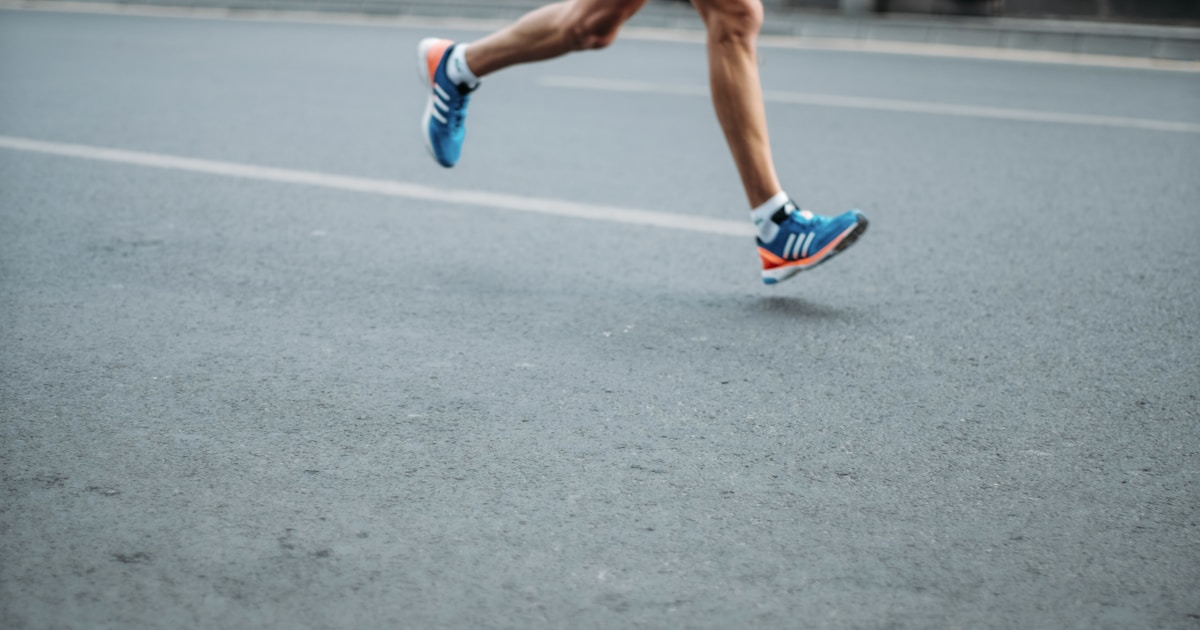
Barefoot running technique is mostly what your body does naturally when shoes aren't interfering. The problem is that after years in cushioned shoes, "natural" takes some relearning. This guide breaks down every element of proper form, from foot strike to breathing, with specific cues you can use on your next run.
The basics of barefoot running technique
Before diving into specifics, here's barefoot running technique in one sentence: light, quick, quiet steps landing under your hips, with a slight forward lean and relaxed upper body.
That's really it. Everything below is just explaining those words in more detail. If you remember nothing else from this page, remember "light, quick, quiet", it's the best three-word summary of good running form that exists.
The science backs this up. Lieberman et al. (2010) showed that when habitual shoe-wearers run barefoot for the first time, they naturally adopt most of these form changes within minutes. Your body already knows how to do this. The trick is letting it, after years of shoes doing the work.
Foot strike
This is the biggest change from shod running. In cushioned shoes, most people heel-strike, the heel slams down first, well ahead of the body, and the shoe cushion absorbs the blow. Without that cushion, heel-striking hurts. Your body figures this out fast.
What replaces it is a midfoot or forefoot strike. With a midfoot strike, the ball of your foot and heel land almost simultaneously, your foot is roughly flat at contact. With a forefoot strike, the ball of your foot touches first, then the heel gently lowers down. Both work. Midfoot is more common at easy paces; forefoot tends to emerge at faster speeds and on harder surfaces.
The key form cue: think "land with a flat foot" rather than "land on your toes." This prevents the most common overcorrection.
The important thing: your heel still touches the ground. This isn't toe-running. If you're bouncing around on your toes and your calves are on fire, you're over-correcting. Let the heel kiss the ground after initial contact. I just shouldn't lead.
What the science says: Lieberman's 2010 Nature study measured ground reaction forces across strike patterns. Forefoot striking eliminates the impact transient, a 1.5-3x bodyweight force spike in the first 50 milliseconds of ground contact, that heel striking produces. The total force is similar, but it arrives as a smooth curve rather than a sharp hammer blow. More detail in the heel strike vs forefoot comparison.
Cadence
Cadence is steps per minute, and it's one of the most important elements of barefoot running technique. Most shod runners average 150-165 spm. Barefoot runners naturally gravitate toward 170-180.
Higher cadence means shorter steps. Shorter steps mean your foot lands closer to your body, which means less impact per stride and less braking force. It also means each foot spends less time on the ground, which matters when you don't have a foam pillow between you and the pavement.
Form cues for cadence:
- "Quick, light, quiet", if your footsteps are loud, your cadence is probably too low
- "Spinning wheels, not stomping", think of your legs as wheels turning quickly
- "Lift, don't push", focus on picking your feet up rather than driving them down
To measure it, count steps for 30 seconds and double it. To improve it, run to a metronome app set to 175 bpm, or find a playlist at that tempo. It feels strange for a week, then becomes normal surprisingly fast.
A practical tip: don't try to hit 180 on day one if you're at 155. Bump up by 5 spm per week. Your muscles and tendons need time to adapt to the new pattern, just like they need time to adapt to the new foot strike.
Posture and lean
Lean slightly forward from the ankles, not the waist. Imagine a straight line from your ankles through your head, tilted about 3-5 degrees forward. This lets gravity assist your forward motion. It's subtle; if you feel like you're about to fall on your face, you've gone too far.
Form cues for posture:
- "Tall and tilted", elongate your spine, then lean the whole column forward from the ankles
- "String from the crown", imagine a string pulling the top of your head toward the sky
- "Hips forward", your hips should be slightly ahead of your ankles, not behind them
- "Run from the hips, not the shoulders", the lean comes from below, not above
Eyes forward, looking 10-20 meters ahead. Not at your feet. Glance down occasionally to check for hazards, but your default gaze should be up and forward. Where you look affects your posture, looking down rounds your upper back and tilts your body weight backward.
Shoulders dropped and relaxed. Most runners carry tension here without realizing it, especially when they're tired. Every few minutes, consciously drop your shoulders away from your ears. Shake your hands out. Reset.
Core engaged but not braced like you're about to get punched. A light brace, enough to stabilize your pelvis and keep your hips from swaying side to side. Think 20% effort, not 80%.
Arm swing
Arms matter more than most people think. They're your counterbalance system and your rhythm keeper.
Elbows bent at roughly 90 degrees, swinging forward and back, not across your body. Hands relaxed, loosely cupped. No fists. No death grip on a phone.
Form cues for arm swing:
- "Elbows back, not hands forward", drive your elbows backward; the forward swing happens naturally
- "Hands brush your waistband", your hands should pass near your hips, not up near your chest
- "Railroad tracks", each arm swings along its own parallel track, not crossing the center line
Here's a trick that experienced barefoot runners use: if your cadence feels sluggish, pump your arms faster. Your legs follow your arms. It's a weirdly reliable shortcut to picking up your step rate. Try it, you'll be surprised how well it works.
Where your foot lands
As important as how your foot lands is where it lands relative to your body. The goal: directly beneath your hips, not out in front. This is perhaps the single most important element of barefoot running technique.
When your foot lands ahead of your center of mass, it acts as a brake. Every step slows you down and then you have to re-accelerate. It also increases impact forces significantly. This is called overstriding, and it's the most common form problem in all runners, not just barefoot ones.
Form cues for landing position:
- "Pull your foot back", think about pulling your foot back toward you as it touches down, rather than reaching forward
- "Hot coals", run like you're on hot coals, quick, light contact, pick your feet up
- "Land under the hip", your foot should contact the ground directly below your hip joint
- "Shorter, not slower", when in doubt, make your steps shorter rather than slower
If you're landing correctly, your footsteps will be quiet. Loud slapping = something's off. This is the simplest self-check that exists.
Hip and pelvis mechanics
Your hips are the engine of your running stride. Good barefoot running technique keeps them stable and forward.
Avoid hip drop. When your foot strikes the ground, the opposite hip should stay level, not sag downward. Hip drop (called Trendelenburg gait) wastes energy and stresses the IT band and knee. Strengthening your glute medius with side-lying leg raises and single-leg squats fixes this over time.
Minimize hip sway. Your hips should move forward, not side to side. Excessive lateral movement means your stabilizers are weak or your stance is too wide. Think "narrow railroad tracks", your feet should land nearly in line with each other, not wide apart.
High hips. Imagine your pelvis is a bowl of water and you don't want to spill any forward or backward. This "neutral pelvis" position optimizes your leg swing and prevents overstriding. If your hips are tucked under (posterior tilt), you'll shuffle. If they're tipped forward (anterior tilt), your lower back takes a beating.
Breathing
Good barefoot running technique includes rhythmic breathing that matches your stride. Most runners naturally fall into a pattern without thinking about it, but being intentional helps, especially on harder efforts.
The 3:2 pattern works well for easy runs: inhale for 3 steps, exhale for 2. This alternates which foot you land on during the exhale, distributing impact stress evenly between both sides. At harder efforts, switch to 2:2 or 2:1.
Belly breathing. Breathe from your diaphragm, not your chest. Your belly should expand on the inhale. This is why posture matters, bending at the waist compresses your diaphragm and forces you into shallow chest breathing.
Exhale actively. Focus on a strong exhale; the inhale happens naturally. A forceful exhale expels more CO2 and creates a natural vacuum that pulls fresh air in without effort.
Common mistakes
Overstriding: landing with your foot way out in front. This is the #1 form error. Increase cadence to fix it. This single change solves a surprising number of other form problems automatically.
Toe running: staying up on the balls of your feet without letting your heels touch. This destroys your calves and Achilles in short order. The heel drops down gently after forefoot contact. Every time. If your calves are screaming after every run. This is probably why.
Bending at the waist instead of leaning from the ankles. The forward lean should come from below, not above. Bending at the waist compresses your diaphragm, shifts your weight backward, and causes overstriding. Stand tall first, then tilt the whole column forward.
Bouncing: too much vertical movement, not enough forward. If your head bobs noticeably, you're pushing off too vertically. Energy should go forward. Think "glide" not "bounce."
Tension everywhere: clenched jaw, hunched shoulders, fists, scrunched toes. All wasted energy. Do a body scan every 5 minutes: face relaxed, shoulders down, hands loose, toes unclenched.
Looking down: staring at your feet shifts your posture backward and causes upper body rounding. Eyes up. Trust your feet. Tey have 200,000 nerve endings for a reason.
Form cue cheat sheet
Print this out or screenshot it. These are the cues to cycle through during a run:
- "Light, quick, quiet": the three-word summary of good form
- "Land under the hip": prevents overstriding
- "Tall and tilted": spine elongated, lean from ankles
- "Elbows back": drives arm swing and cadence
- "Flat foot, not toes": prevents toe-running overcorrection
- "Shoulders down": releases upper body tension
- "Spinning wheels": quick turnover, not heavy footfalls
- "Belly breathe": diaphragmatic breathing for endurance
Don't try to focus on all of these at once. Pick one per run and let the others be automatic. Over weeks, they all become habit.
Drills
Running in place. Just jog in place for 60 seconds. Notice how your feet naturally land, midfoot, under your hips. That's the feeling you want when moving forward. Now lean slightly forward from the ankles and let yourself drift into a slow jog. The transition should be seamless. This is the simplest drill and one of the most effective.
Strides on grass. Find a flat grassy field. Run 80-100m, gradually accelerating to about 80% effort. Focus on light, quiet footfalls. Walk back. Do 4-6 of these. This is probably the single best drill for learning natural barefoot running technique. The soft surface forgives form errors while giving you instant feedback on heavy landings. More about barefoot running on grass.
High cadence intervals. 30 seconds at 180+ spm, 30 seconds at your normal pace. Repeat 6-8 times. Over a few weeks, the higher cadence becomes your default. Use a metronome app if counting is distracting.
Wall lean drill. Stand a foot from a wall. Lean until your shoulders touch it. Step back. That angle, that's your forward lean. Now walk away from the wall maintaining that lean. Then jog. This calibrates your body's sense of the right lean angle.
Single-leg hops. Hop in place on one foot for 30 seconds. Notice how you naturally land on your forefoot and your body self-corrects for balance. Switch feet. This builds the proprioceptive awareness and foot strength that barefoot running demands.
Barefoot walking. Before you run barefoot, walk barefoot, on grass, on packed dirt, around your house. Get your feet used to feeling the ground. Pay attention to how your foot naturally rolls from heel to toe during walking versus how it lands during jogging. Walking barefoot for 10-15 minutes a day is excellent preparation.
Checking your form
Film yourself. Have someone record you from the side for 30 seconds, or prop your phone up and run past it. You'll instantly see overstriding, posture issues, and heel-striking that you can't feel while running. Every runner should do this at least once, most are surprised by how different their actual form looks compared to how it feels. Slow-motion mode is especially revealing.
Listen to yourself. Quiet running is good running. If each footfall makes a distinct slapping sound, you're either overstriding or landing too hard. Good barefoot running technique is nearly silent.
The treadmill test. Run on a treadmill in front of a mirror. Treadmills naturally discourage overstriding (the belt pulls your foot back), and mirrors let you check posture, hip drop, and arm swing in real time. It's the cheapest form of gait analysis available.
Let your soles talk. If you're running truly barefoot, your soles give you direct feedback. Blisters on your toes mean you're pushing off too hard. Tender heels mean you're still heel-striking. Hot spots on the ball of your foot mean too much friction, probably from braking or sliding. Your feet will tell you exactly what needs fixing, more precisely than any coach.
How long does it take to learn?
Most people get the basic barefoot running technique within 2-4 weeks of practice. The form clicks relatively fast, your body already knows how to do this; it just needs permission.
The structural adaptation takes longer. Your calves, Achilles tendons, and intrinsic foot muscles need 8-12 weeks to fully adapt to the new loading pattern. This is the part you can't rush, and it's where most transition injuries happen.
A realistic timeline:
- Week 1-2: Form feels awkward but improving. Calves are very sore. Keep runs to 5-10 minutes.
- Week 3-4: Form starts feeling natural. Calf soreness decreasing. Building to 15-20 minutes.
- Week 5-8: Form is mostly automatic. Focus shifts from "how do I run" to "how do I run further." Building distance gradually.
- Week 9-12: Barefoot running technique feels normal. You notice when your form slips. Running 30+ minutes comfortably.
If you're just getting started, build some foot strength first and follow the transition plan. And remember: the benefits of barefoot running are worth the patience. Form improves naturally as your feet get stronger, don't overthink it early on.
FAQ
What is proper barefoot running technique?
Light, quick, quiet steps landing on your midfoot or forefoot, directly beneath your hips. Cadence of 170-180 steps per minute. Slight forward lean from the ankles, relaxed shoulders, arms at 90 degrees swinging forward and back. The simplest summary: if your running is quiet, your technique is probably good.
Should I land on my toes when running barefoot?
No. Landing on your toes (toe-running) is the most common overcorrection. You should land on the ball of your foot or with a flat midfoot contact, then let your heel gently drop down. Your heel still touches the ground. I just doesn't lead. If your calves are constantly on fire, you're probably toe-running.
What cadence should I aim for?
170-180 steps per minute. This naturally shortens your stride, reduces impact, and encourages a proper landing position. If you're currently at 155-160, increase by about 5 spm per week. Use a metronome app or a music playlist at your target tempo.
How do I transition from heel striking to barefoot form?
Don't force it. Increase cadence to 170-180 spm, reduce shoe cushioning gradually, run on soft surfaces like grass or a treadmill, and focus on running quietly. Your form will shift naturally over 4-8 weeks. Build foot strength throughout the transition.
How long does it take to learn barefoot running technique?
Basic form: 2-4 weeks. Full muscle and tendon adaptation: 8-12 weeks. The technique feels natural surprisingly fast, it's the structural conditioning that takes time. Start with 5-10 minute sessions and increase gradually.